
Full-Scope Demo to Grade-Ready Turnaround
Demolition in Lafayette for site clearance, structure removal, and preparation before new construction phases begin
Older wood-frame structures across South Louisiana often require environmental assessment before demolition begins, because materials installed decades ago—particularly insulation and siding—may contain asbestos or other hazardous substances that demand specialized handling and disposal. Built From the Dirt Earthwork LLC handles selective and full demolition for residential and commercial sites in Lafayette, breaking down structures, removing debris, and grading the cleared site so new construction can proceed without delay. The work involves more than knocking down walls; it includes waste staging, material separation for salvage or disposal, and compliance with environmental and safety regulations that vary by structure age and location.
Demolition begins with hazmat evaluation if the structure was built before regulatory cutoff dates, followed by controlled takedown using excavation equipment, manual labor for precision work, and debris loading into trucks for transport to approved disposal sites. Sites across Lafayette metro, Alexandria, and incoming development zones each present different access constraints, utility disconnection requirements, and debris volume, but the process consistently moves from standing structure to clean, graded lot ready for the next phase.
Request a site-specific demolition estimate to review structure type, access conditions, and disposal requirements for your property.
What Full Demolition Actually Accomplishes
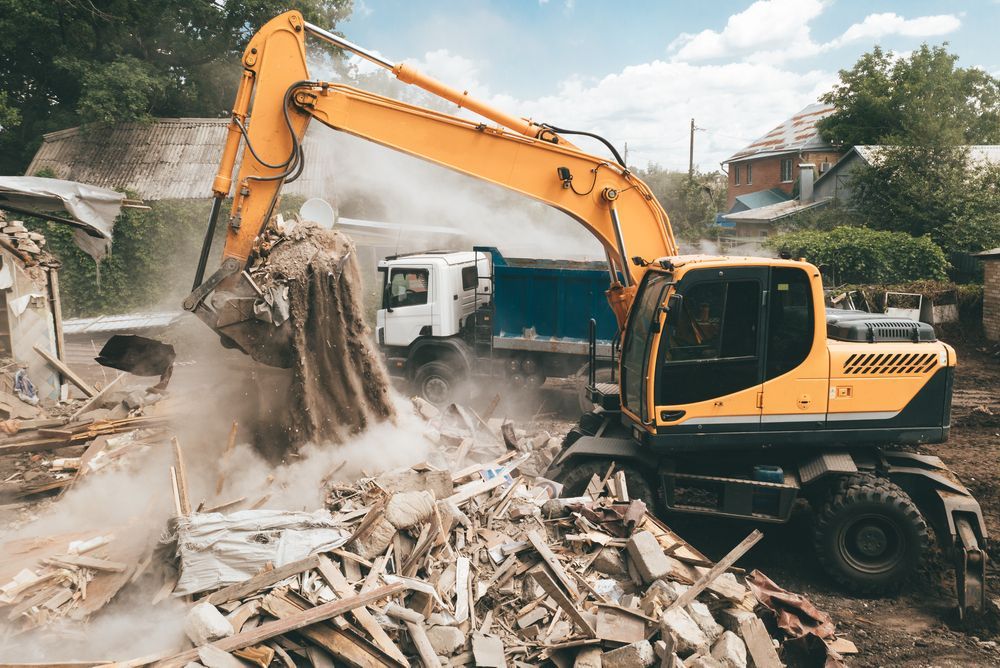
Structure demolition involves disconnecting utilities, removing roofing and siding, dismantling framing, breaking up slabs or foundations if specified, and hauling all material off-site. Built From the Dirt Earthwork LLC coordinates debris removal with licensed waste facilities, salvages reusable materials when requested, and ensures the cleared lot meets grade specifications before turning it over for new construction.
Once demolition is finished, the property will show no above-grade remnants of the previous structure, a level or graded surface free of debris and protruding foundations, and clear access for equipment, surveying, and new building layout. The transition from occupied structure to construction-ready lot happens in days rather than weeks when the work is sequenced correctly, and builders avoid delays caused by incomplete debris removal or subsurface obstructions left behind.
Full demolition typically includes everything above the slab or pier line, but foundation removal, underground utility abandonment, and soil remediation are separate scopes unless specified in the contract. Some projects call for selective demolition—removing only certain sections while leaving others intact—which requires precision equipment operation to avoid damaging structures that remain.
Questions Before Starting Demolition Work
Property owners and developers preparing for demolition in Lafayette commonly ask about timelines, environmental considerations, and what the site will look like when the work is done.
What happens during a full demolition project?
The contractor assesses hazmat risk, disconnects utilities, uses excavators and manual labor to dismantle the structure from top down, separates debris by material type for disposal or salvage, loads waste into trucks, and grades the cleared lot to specified elevation.
How does South Louisiana's older building stock affect demolition planning?
Many pre-1980s structures in Lafayette contain asbestos in siding, roofing, or insulation, requiring environmental testing and certified abatement before demolition proceeds, which adds time and cost but prevents illegal disposal and exposure liability.
When is selective demolition used instead of full teardown?
Selective work makes sense when only part of a structure needs removal—such as an addition, damaged wing, or interior buildout—while preserving the main building, and it requires more careful equipment operation to avoid compromising remaining walls or rooflines.
What debris disposal options are available after demolition?
Material is hauled to licensed landfills or recycling facilities depending on type, with wood framing often separated for grinding, metal salvaged for scrap value, and concrete broken for aggregate reuse if the project timeline and budget allow sorting.
How long does it take to complete demolition and site cleanup?
Timeframes depend on structure size, access constraints, and debris volume, but typical residential demolition in Lafayette moves from standing building to graded lot within three to five working days once utilities are disconnected and permits are secured.
Built From the Dirt Earthwork LLC manages demolition projects across Lafayette and surrounding development zones, handling everything from single-structure teardown to multi-building site clearance for subdivision development. Schedule a walkthrough to discuss project scope, access logistics, and disposal coordination specific to your site.