Remove Obstacles Before Development Begins
Land Clearing in Lafayette for new subdivision zones and sites awaiting construction
Built From the Dirt Earthwork LLC removes brush, trees, and surface debris from raw land across Lafayette and surrounding development zones in south Louisiana. The incoming population surge across the region has increased demand for cleared subdivision lots, and property owners need sites ready before grading and utility work can begin. Selective tree removal allows you to preserve mature specimens while opening space for roads, building pads, and stormwater infrastructure.
Full site clearing involves dozer and excavator operation to uproot vegetation, separate reusable topsoil from debris, and haul away material that cannot remain on-site. The crew stages equipment based on lot layout and determines which trees stay and which must be removed to meet setback requirements or drainage flow paths. South Louisiana clay soil often holds root systems that require mechanical extraction rather than surface cutting, which prevents regrowth and ensures a stable base for subsequent earthwork.
Schedule a site walkthrough to identify clearing boundaries and material disposal requirements for your property.
What Happens After Clearing Finishes
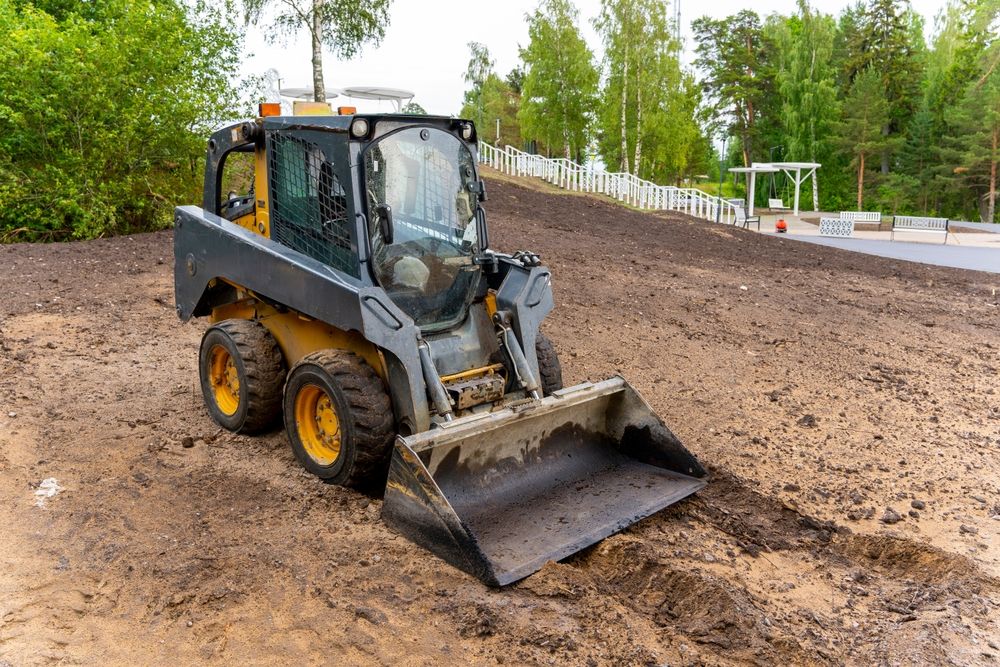
Once clearing wraps, you see defined lot lines, open sight lines across the property, and removal of all above-ground vegetation and root masses that interfere with construction activity. Equipment operators separate topsoil during the clearing process so it can be stockpiled and reused for final landscaping rather than hauled off with debris. The result is a site ready for grading equipment to establish elevations without obstruction from stumps, roots, or dense undergrowth.
Built From the Dirt Earthwork LLC coordinates material removal with the project timeline, staging debris piles for efficient haul-off and minimizing trips across finished sections of adjacent lots. You notice cleared access paths for grading equipment, utility trenching machines, and concrete trucks that will follow in later phases. Selective clearing preserves existing drainage swales and treelines that serve as natural buffers between lots or along property boundaries.
The scope of clearing varies based on whether the site will support residential construction, commercial development, or roadway installation. Subdivision work often requires clearing multiple lots in sequence, with staging areas positioned to avoid repeated crossings over completed pads. Material volume depends on vegetation density, tree diameter, and whether stumps must be ground below grade or removed entirely for deep utility installation.
Questions Before Clearing Your Site
Property owners preparing land for construction or development often ask about timing, material handling, and what remains after the work finishes.
What happens to trees and debris after clearing?
Material is either hauled off-site to a disposal facility or chipped and spread as erosion control mulch if the project plan allows for organic ground cover during the grading phase.
How does clearing work differ for subdivision lots versus single parcels?
Subdivision clearing involves coordinating access roads and equipment staging across multiple lots simultaneously, while single-parcel jobs focus on preserving specific trees and minimizing disturbance to adjacent properties.
When should clearing happen relative to grading?
Clearing must finish before grading equipment establishes elevations, but topsoil should be stripped and stockpiled during clearing so it remains available for final site restoration after utilities and pads are in place.
What equipment operates during a typical clearing job in Lafayette?
Dozers handle large-area brush removal and push debris into piles, while excavators with root rake attachments extract stumps and separate soil from organic material before loading haul trucks.
Why does south Louisiana vegetation require mechanical extraction instead of surface cutting?
The region's clay soil and high moisture content allow root systems to regenerate quickly after surface cutting, so mechanical removal prevents regrowth that would interfere with grading compaction and foundation stability.
Built From the Dirt Earthwork LLC operates dozers and excavators in-house for clearing projects across Lafayette subdivision zones and incoming development areas. Contact the team to review your site boundaries, tree preservation goals, and material disposal logistics before work begins.