
Site Drainage That Prevents Foundation Damage
Drainage Solutions in Lafayette for properties facing seasonal flooding, high water tables, and stormwater code compliance
South Louisiana's high water table and heavy seasonal rainfall create drainage challenges that most regions never face, and inadequate site drainage leads directly to foundation failure, interior mold growth, and costly warranty claims for builders. Built From the Dirt Earthwork LLC designs and installs custom drainage systems—swales, retention ponds, culverts, and slope grading—for residential lots and commercial sites across Lafayette and the surrounding parishes. When water pools against a foundation or runs unchecked across a property, the damage compounds with every storm cycle, but properly engineered drainage redirects runoff before it reaches vulnerable structures.
The service involves excavating drainage swales to precise grades, digging retention ponds sized for site-specific runoff volume, installing culverts where natural flow paths cross driveways or property lines, and shaping slopes to maintain positive drainage away from all building footprints. Each system is coordinated with local stormwater regulations to meet parish permitting requirements while addressing the unique soil and moisture conditions common to South Louisiana subdivisions, Pecan Island developments, and the Alexandria area.
Schedule a site evaluation to identify specific drainage concerns and develop a grading plan that addresses your property's runoff patterns.
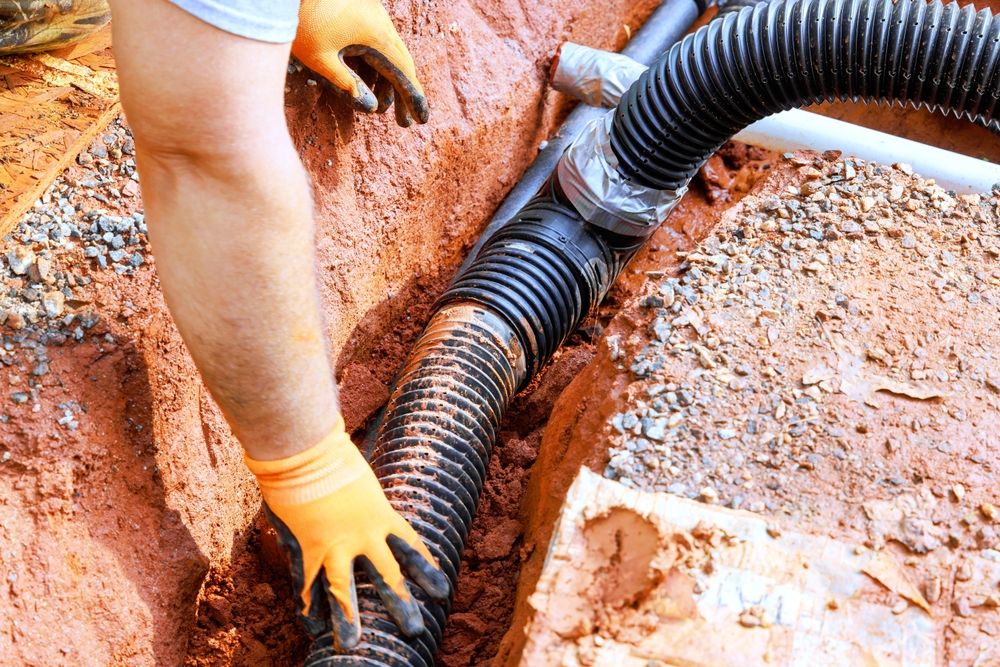
How Custom Drainage Systems Address South Louisiana Conditions
Drainage design begins with understanding where water enters the property, how much volume arrives during peak rainfall events, and where it can be safely directed without creating problems downstream. Built From the Dirt Earthwork LLC operates excavation equipment to cut swales at calculated grades, dig ponds deep enough to handle seasonal storage requirements, and install culverts that maintain flow capacity without erosion or sediment backup.
Once the system is installed, you'll notice water moving off hardscapes and away from foundations during rain events instead of pooling in low spots or saturating crawl spaces. Retention areas fill and drain according to design capacity, swales channel runoff along defined paths without cutting new gullies, and culverts pass stormwater under access points without washing out gravel or creating standing puddles. The difference becomes most visible after the first heavy rain, when neighboring properties show ponding while yours sheds water as intended.
Proper drainage work also includes coordination with paving contractors, foundation crews, and landscaping teams to ensure grading transitions work across all site phases. The final grade must direct water toward collection points while maintaining accessibility for vehicles, equipment, and foot traffic, and any changes to one area of the property must be evaluated for impact on overall drainage flow.
What Property Owners Ask Before Installing Drainage Systems
Drainage projects in Lafayette often raise similar concerns about design, timing, and long-term performance, especially given the area's soil composition and rainfall intensity.
What happens during a drainage system installation?
The process begins with site survey and flow analysis, followed by excavation of swales or ponds using tracked equipment, placement of culvert pipe where specified, and final grading to establish positive slope away from structures and toward retention or outlet points.
How does South Louisiana's high water table affect drainage design?
The water table in Lafayette sits close to the surface year-round, which means retention ponds must be sized larger to account for reduced infiltration capacity, and swales often require deeper cuts to maintain gravity flow even when groundwater levels rise during wet seasons.
When should drainage work be scheduled relative to other site work?
Drainage grading should happen after rough excavation and before final paving or landscaping, allowing the system to be tested through at least one rain event and adjusted if needed before permanent surfaces lock in the slope.
What's included in a custom drainage solution versus standard grading?
Standard grading establishes basic slope away from buildings, while custom drainage design incorporates calculated swale dimensions, engineered retention volume, culvert sizing based on watershed area, and integration with parish stormwater requirements that vary by zoning and lot size.
How long does a properly installed drainage system continue working?
Systems designed for South Louisiana conditions and constructed with appropriate excavation depth, compacted slopes, and correct culvert placement typically function for decades without major intervention, though periodic sediment removal from ponds and culvert cleaning extend performance and prevent capacity loss.
Built From the Dirt Earthwork LLC works with residential developers, commercial site managers, and individual property owners throughout Lafayette to install drainage infrastructure that meets local code and handles real-world rainfall conditions. Request a site-specific drainage assessment to review your property's slope, soil type, and runoff challenges.