Soil Movement That Follows Survey Specs
Dirt Work in Lafayette for residential and commercial projects requiring grading, fill, and compaction
Louisiana clay soil composition demands specific compaction protocols that differ from sand or loam handling, and seasonal water tables affect how quickly material settles after placement. Built From the Dirt Earthwork LLC handles material movement, grading to specification, and compaction verification for subdivision lots, commercial pads, and access road construction across the Lafayette area. You need dirt work when a site requires elevation changes, proper drainage slope, or stable fill zones before utilities and foundations go in.
The process involves equipment operation to cut high spots, place fill in low areas, and compact soil in lifts to meet structural requirements. Each lift is compacted and checked before the next layer goes down, preventing future settlement that would crack driveways, shift building corners, or redirect stormwater toward foundations. Subcontractor coordination matters during multi-phase jobs where utility trenches must backfill before final grading, or where concrete crews need finished pad elevations before forming slabs.
Request a site evaluation to review material volume requirements and drainage slope specifications for your property.
Why Compaction Protocols Matter for Louisiana Soil
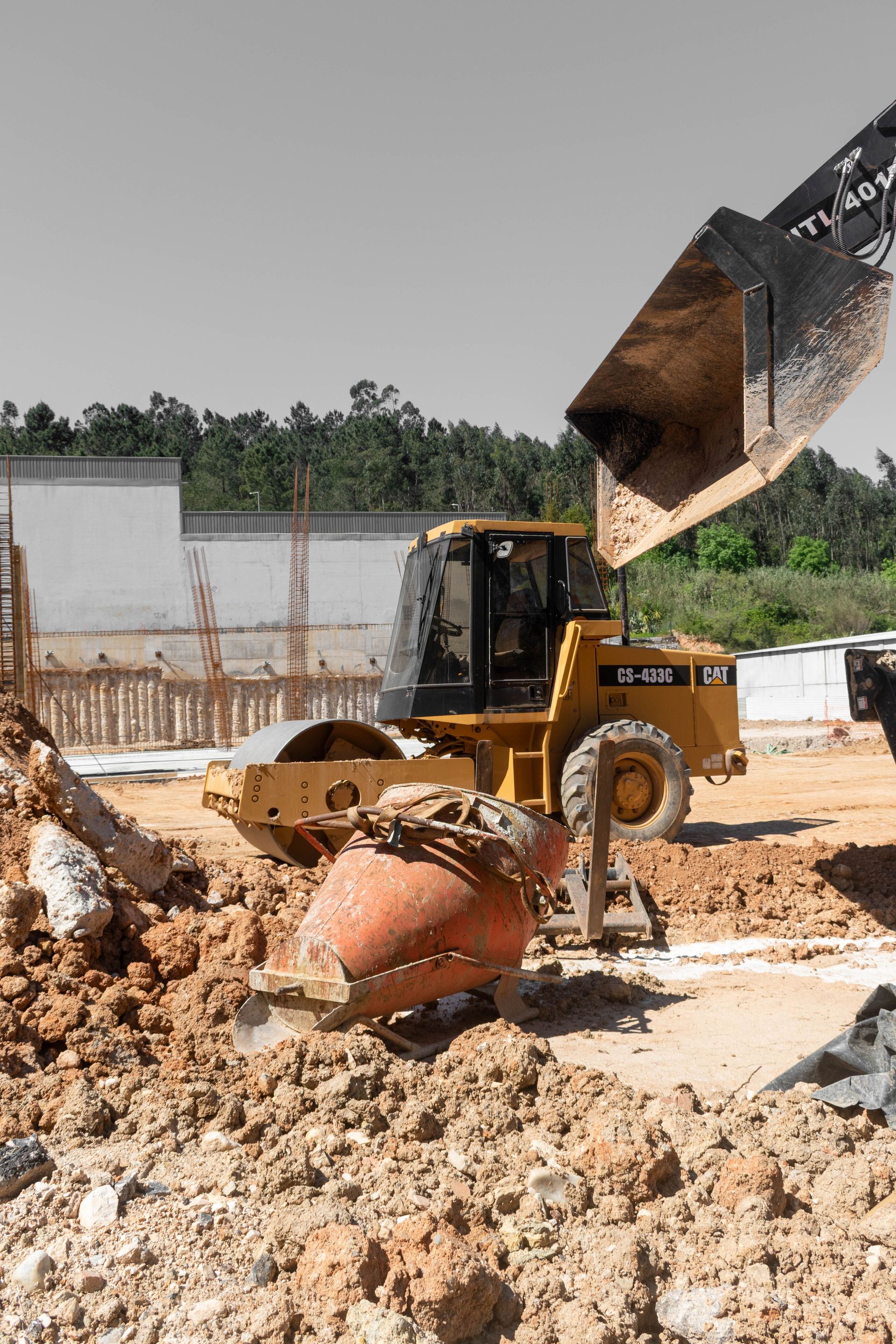
Clay-heavy soil retains moisture longer than sandy compositions, which means compaction must happen at specific moisture content levels or the material will not achieve density targets. Equipment operators test soil moisture by hand and adjust compaction timing based on recent rainfall and humidity conditions. If soil is too wet, compaction equipment creates ruts instead of consolidating material, and if it is too dry, the particles will not bond and the fill will settle unevenly after construction loads apply.
After dirt work finishes, you see level building pads with defined edges, graded slopes that direct water away from structures, and access routes that support concrete trucks and material deliveries without rutting. The surface remains stable under equipment traffic because compaction has eliminated air pockets and consolidated soil particles into a load-bearing base. Drainage flow paths are visible as swales or crowned roads that prevent standing water from collecting near foundation zones.
Dirt work scope includes determining whether imported fill is needed or if cut material from high spots can be reused in low areas. Soil type affects whether additional stabilization layers or geotextile fabric must go under fill zones, and project specifications dictate compaction percentages that must be met before inspectors approve the next construction phase. Built From the Dirt Earthwork LLC operates its own equipment rather than relying on subcontractors for core excavation and grading tasks, which allows direct communication and schedule adjustments during concurrent trades.
Common Questions About Dirt Work Projects
Clients preparing sites for construction or addressing drainage problems often ask about material sourcing, compaction verification, and how weather affects the schedule.
What determines whether fill material must be imported or if existing soil can be reused?
Soil testing reveals clay content, organic material, and load-bearing capacity, and engineers specify whether native soil meets structural fill requirements or if imported select fill with better compaction characteristics is needed.
How is compaction verified during dirt work in Lafayette?
Operators compact soil in measured lifts, typically eight to twelve inches thick, and nuclear density gauges or plate load tests confirm that compaction percentages meet engineering specifications before the next lift is placed.
When does seasonal water affect dirt work scheduling in south Louisiana?
High water tables during spring and late summer reduce trafficability and prevent effective compaction, so scheduling dirt work during drier months minimizes delays and rework caused by saturated soil conditions.
What changes after proper grading and compaction finish?
The site holds equipment weight without rutting, stormwater flows toward designated drainage paths instead of pooling near foundations, and building pads remain level without settling after construction begins.
Why do some projects require coordination between dirt work and utility installation?
Utility trenches must backfill and compact to match surrounding grades, and final grading cannot finish until water, sewer, and electric lines are in place and inspected to avoid cutting through new utilities during rework.
Built From the Dirt Earthwork LLC manages dirt work for private residential projects and subdivision developments across Lafayette and south Louisiana. Reach out to discuss material sourcing, compaction requirements, and sequencing for your site preparation timeline.