Foundation Trenches That Match Building Plans
Excavation in Lafayette for foundation prep, utility trenches, and selective digging in residential and commercial projects
Shallow groundwater tables across south Louisiana require dewatering during deep excavation, and clay soil demands operator experience to avoid over-digging that would require additional fill and compaction before concrete pours. Built From the Dirt Earthwork LLC operates excavators and backhoes for foundation excavation, utility trench installation, and selective digging across Lafayette metro and subdivision sites. You notice excavation is needed when building plans specify foundation depth, when water or sewer lines must run below frost line or flood elevation, or when existing grade sits too high for proper drainage slope around a new structure.
The process involves marking utility locate flags, digging to specified depth and width, managing trench wall stability in saturated soil, and staging excavated material for reuse as backfill or removal if contaminated or unsuitable. Equipment operators coordinate with concrete crews on footing dimensions and with utility contractors on trench depth, because rework after backfilling costs time and material. In-house equipment operation allows direct communication with builders rather than managing rental schedules and subcontractor availability during concurrent trades.
Request an excavation estimate that includes material volume, disposal needs, and sequencing with other site trades.
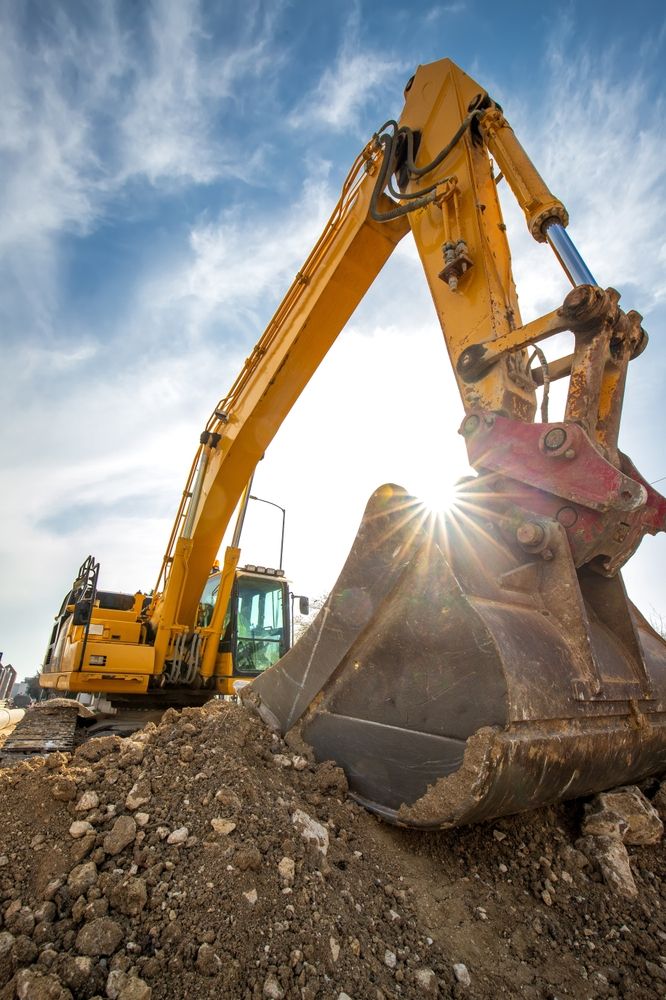
What Proper Excavation Requires
Excavation begins only after utility locates confirm that no underground lines cross the dig zone, because cutting through water, gas, or electric service creates safety hazards and project delays. Operators trench to depth specified on building plans, checking measurements from benchmark elevations rather than estimating visually. Clay soil in south Louisiana can hold trench walls without shoring for shallow depths, but deeper excavations or saturated conditions require bracing or sloped sidewalls to prevent collapse during concrete placement or utility installation.
After excavation wraps, you see foundation trenches at consistent depth with level bottoms, utility runs sloped correctly for gravity flow, and excavated material staged where it will not obstruct equipment access or drain into open trenches during rain. Foundation footings sit on undisturbed soil rather than loose fill, which prevents differential settling that cracks slabs and shifts walls. Utility trenches remain open only as long as necessary for pipe installation and inspection, then backfill and compaction restore the surface to match surrounding grade.
Excavation scope varies depending on whether the project involves shallow trenching for residential water service or deep cuts for commercial stormwater detention. Material reuse depends on soil quality—clean clay can backfill around foundations, while soil mixed with organic debris or contaminated with construction waste must haul off and be replaced with select structural fill. Built From the Dirt Earthwork LLC handles foundation prep for new home construction and operates excavation equipment directly rather than renting machinery and subcontracting labor.
What Clients Ask About Excavation Work
Property owners and builders scheduling excavation want to know about depth requirements, soil conditions, and how groundwater affects the work.
What determines excavation depth for foundation trenches?
Building plans specify footing depth based on soil bearing capacity, load calculations, and local flood elevation requirements, with footings typically extending below the frost line or to a depth that reaches stable bearing soil.
How does shallow groundwater in Lafayette affect excavation?
High water tables can flood trenches before concrete pours, so dewatering pumps remove standing water and operators schedule pours quickly after excavation finishes to minimize water intrusion and trench wall softening.
When does excavated material get reused versus hauled off?
Clean soil free from roots, debris, and contaminants can backfill around foundations or utility pipes, while organic-laden or unsuitable material must be removed and replaced with compactable structural fill to prevent settling.
Why do some excavations require shoring or sloped trench walls?
Trench depth, soil saturation, and sidewall stability determine whether vertical cuts are safe or whether sloped walls and bracing are needed to prevent collapse during utility installation or concrete placement.
What changes after excavation and backfilling finish?
The site returns to grade with utility lines buried and foundations poured, surface drainage resumes normal flow, and the ground supports foot traffic and light equipment without sinking into loose backfill zones.
Built From the Dirt Earthwork LLC manages excavation for residential and commercial projects across Lafayette and surrounding development zones, coordinating trench depth, material handling, and utility installation sequences with builders and inspectors. Contact the crew to review excavation requirements and project-specific soil conditions before digging starts.